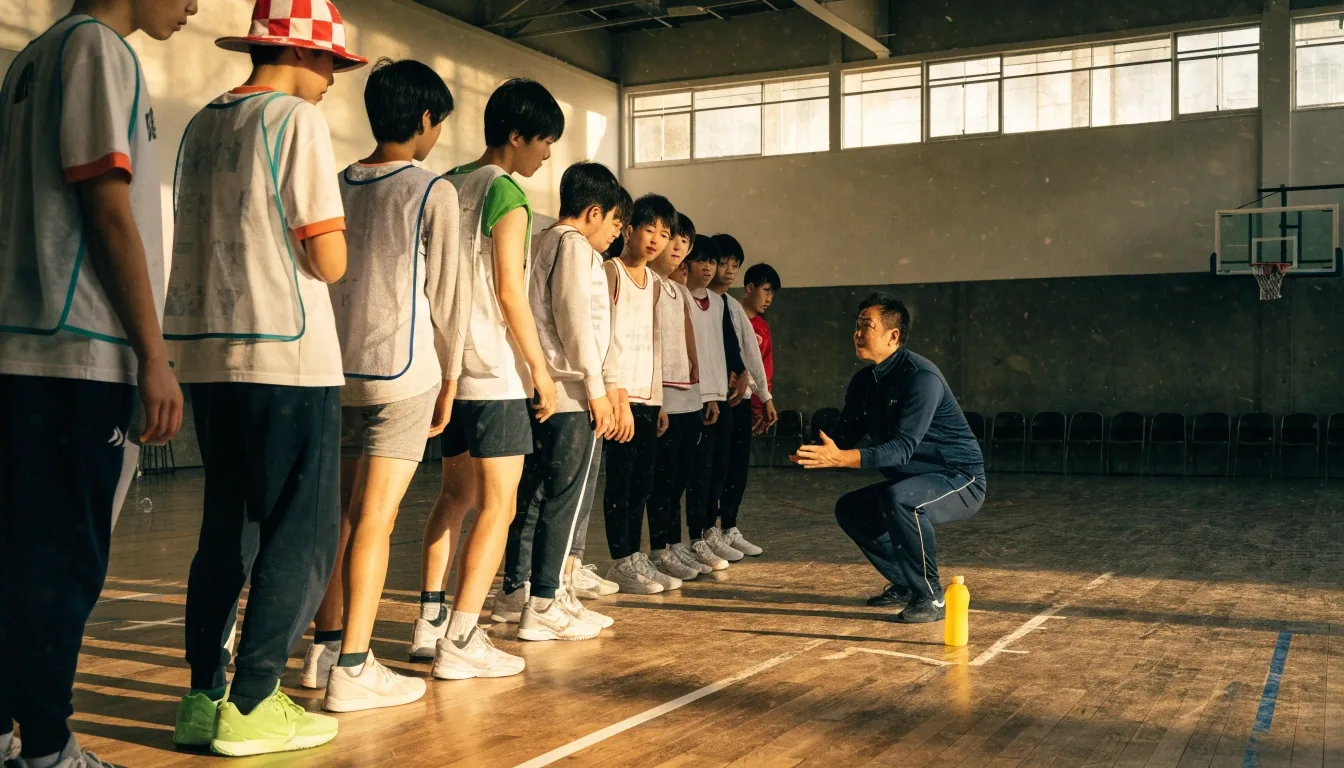
The editorial desk
About the Hoops Chubu Editorial Desk
We're a small editorial operation covering amateur basketball and regional sport, with Japan as the main subject and England as a running comparison. The site exists because grassroots competition is badly served by general sports media: results go unrecorded, structures go unexplained, and the people running local leagues rarely get quoted. We try to fix a slice of that.
Grassroots competition deserves the same care as the professional game: named leagues, checked dates, and structures explained in plain language.
Who writes here
Writers who watch the layers below the spotlight
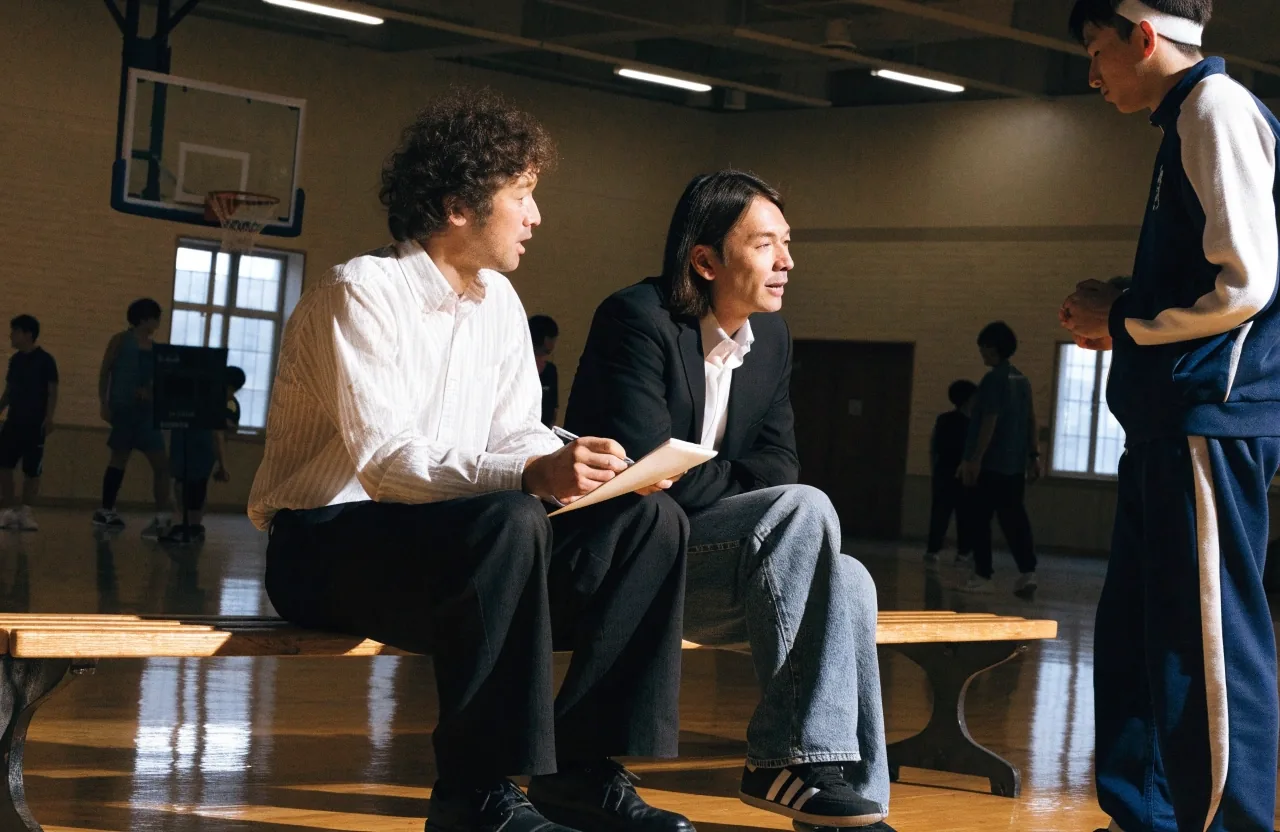
The desk is made up of writers who follow amateur and school basketball closely, several of whom have played or coached at club level. Nobody here covers the professional game as a beat. That's deliberate.
Our expertise is in the layers below the spotlight: county associations, school club sessions, city league calendars, the volunteers who keep fixtures running. A Saturday morning under-15s session in a Tokyo ward gym and an evening county division fixture in the English Midlands sit in the same category for us, because both are run by people doing unpaid administrative work around a day job.
If a piece needs professional context to make sense, we say so plainly rather than pretending it's our subject. When we quote a coach or an association volunteer, we name the club and the role, since an unattributed line about how a league is run is worth very little.
What we report on
Four subjects, and a clear line around them
Anything outside that scope gets cut, even when it's interesting. A blog with a clear scope is more useful than one that covers everything badly, and it's why we can tell you where a fixture date came from.
Amateur league structures
How a division is organised, who administers it, how promotion and relegation work at county level, and where a new club fits when it joins mid-season. This is the part of amateur basketball JP coverage that general sports media skips, and it's the part a reader trying to join a league actually needs. The same treatment goes to British regional basketball, where the ladder from city league to regional division to the semi-professional tier above is rarely written down in one place.
Regional fixture calendars
How community sports fixtures shift through a season, what causes a postponement, and why the same division can run to two different calendars across prefectures or counties.
School training pathways
Elementary and high school club sessions, what a first-year practice actually contains, and how a school programme differs from a club parallel to it.
Historical background
The decisions that explain why current structures look the way they do. Local sports history is more useful than it sounds: knowing that a city league was formed to absorb school leavers who wanted to keep playing makes the current age brackets readable, and the same is true of the county association model on the British side.
School basketball training
How we treat Japanese school basketball
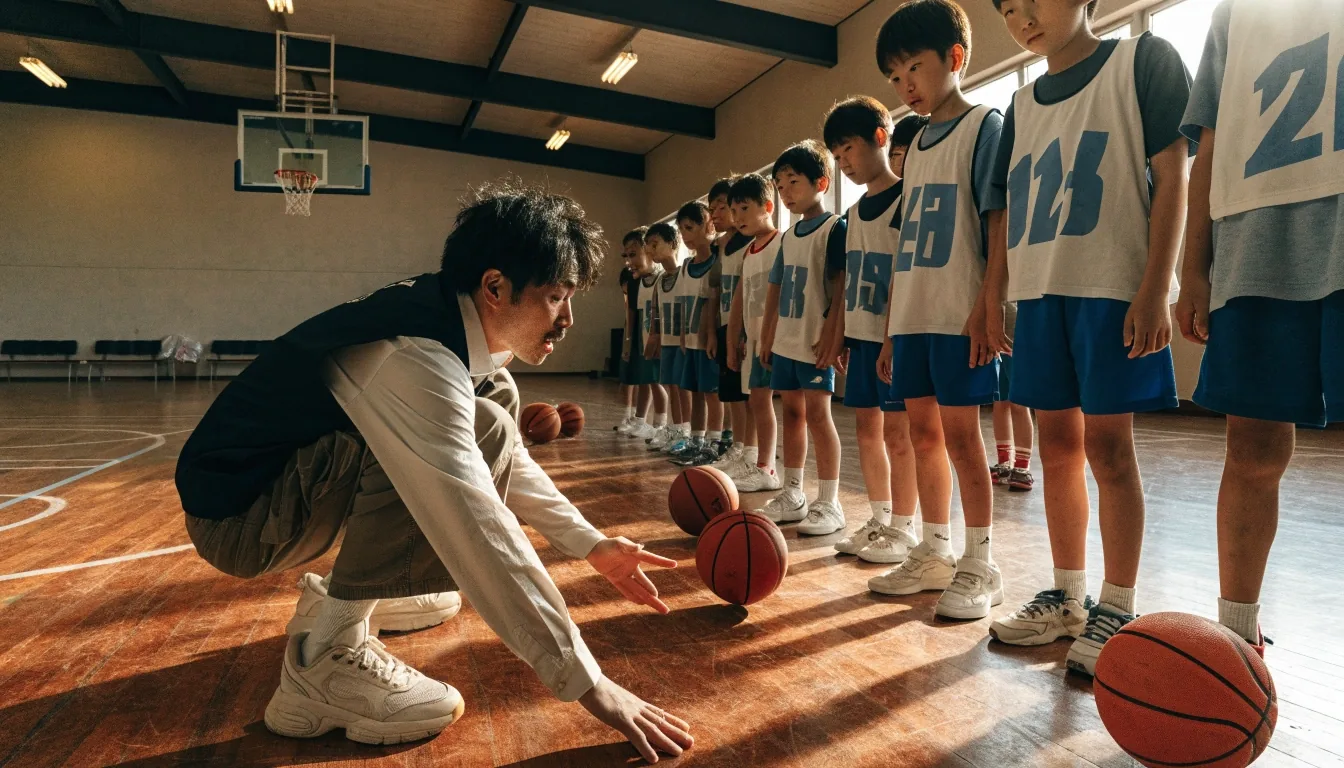
Many schools in Japan run basketball clubs from elementary level, focusing on basic skills like dribbling, passing and shooting. That's the entry point for most players, and it's why school coverage matters more in Japan than it does in Britain.
We describe sessions and pathways concretely rather than in general terms, because "youth development" as a phrase tells a reader nothing. A named school running a specific programme tells them a lot. So a piece might explain how a first-year session divides its hour between footwork, passing pairs and a half-court game, and how that changes once players reach the second year.
We also cover the school-and-club overlap honestly. Some students train with a school team and a community club in the same week; others only ever play inside school. Which path a player takes often depends on what exists within a short train ride, and that's a real part of the story rather than background detail.
Where a school programme is described, we try to say who runs the session, how often it meets, and what a training hour is spent on. Readers comparing school basketball training between regions can then see the difference instead of guessing at it.
The British comparison
Two systems, read side by side
British regional basketball organizes itself differently: regional divisions under a semi-professional national league, then county associations and city leagues beneath that. Comparing the two systems is genuinely useful for readers in either country, since it exposes assumptions. When we mention the London Amateur Basketball League or the Manchester Area Basketball League, it's to show how a specific local layer works, not to rank it against anything.
Readers who arrived from a UK sports news blog habit often already know the county system and find the school-first Japanese model strange; readers who grew up inside a Japanese school club find the British club-and-county ladder equally unusual. Writing the comparison out is the fastest way to make either group recognise their own assumptions.
- Main entry route
- Japan: a school club, usually from elementary level upward. Britain: a local club, often joined outside school hours.
- Who runs a session
- Japan: a teacher or school staff member, sometimes with a visiting coach. Britain: a club coach, usually a volunteer.
- Competition layer
- Japan: school tournaments alongside city and prefectural leagues. Britain: city leagues feeding into regional divisions.
- Fixture publishing
- Japan: association and school notices, sometimes paper-only. Britain: league websites, with late changes spread by email.
- Where players go next
- Japan: high school and university club basketball. Britain: regional divisions, with the semi-professional tier above them.
The rows above summarise how the two systems are usually set up; local variations exist and we say where we know of them.
What our coverage excludes
The editorial boundaries here are narrow on purpose. If a venue or league appears in a piece, it appears because it's part of the story, with no arrangement behind the mention. We also don't cover professional transfer news, betting angles or fan-culture content, since none of that has anything to do with how amateur competition functions. Readers who want that have plenty of other places to go.
What's left is a grassroots sports review that stays inside its lane: league structures, regional calendars, school and street basketball in Japan, and the local sports history that explains the rest. That constraint is why the desk can cross-check a fixture list properly instead of skimming a season of amateur sports updates.
Sourcing and verification
Where a fixture date comes from
Fixture details come from league and association postings wherever possible, and we cross-check dates against a second source before publishing a schedule summary. Historical claims get traced to something checkable: a league record, an association notice, a published study. When we can't verify something, we either leave it out or flag it as unconfirmed in the text. That's a lower bar than a wire service, but it's an honest one.
- 1 Find the primary post A league or association notice is the starting point, not a social post someone repeated.
- 2 Check the date again We compare a second source before a schedule summary goes out, since fixtures move late in a season.
- 3 Trace the claim Historical statements are checked against a record, notice or study, and the source is described in the text.
- 4 Flag or drop it Unverified detail is marked as unconfirmed or left out — never smoothed over to read better.
Corrections
How we handle disagreement
Amateur sport runs on local knowledge, and ours is incomplete. If a coach or league administrator tells us a detail is wrong, we take that seriously and go back to the source. We've changed fixture summaries and league descriptions after reader corrections.
The corrections policy is on the editorial standards page, and it applies to everyone who writes here, including the person who set up the site. Send the date, the division and what should be different, and we'll check it against the post we worked from. If we got it wrong, the summary changes and the correction is noted at the end of the piece.
Who this is for
Four kinds of reader, one scope
Players looking for a league
Division structures, entry points and what a season actually looks like week to week in local grassroots basketball.
Parents reading up
How a school club differs from a regional club, in plain terms, so the choice between them is less of a guess.
Volunteers running fixtures
Leagues and calendars described accurately, with names spelled the way the association spells them.
Readers in Britain
Curious how Japan builds basketball players from primary school upward, and how that compares with the county game at home.
If you're in one of those groups, the scope here should feel tight rather than thin.
Start where the scope is closest to your question
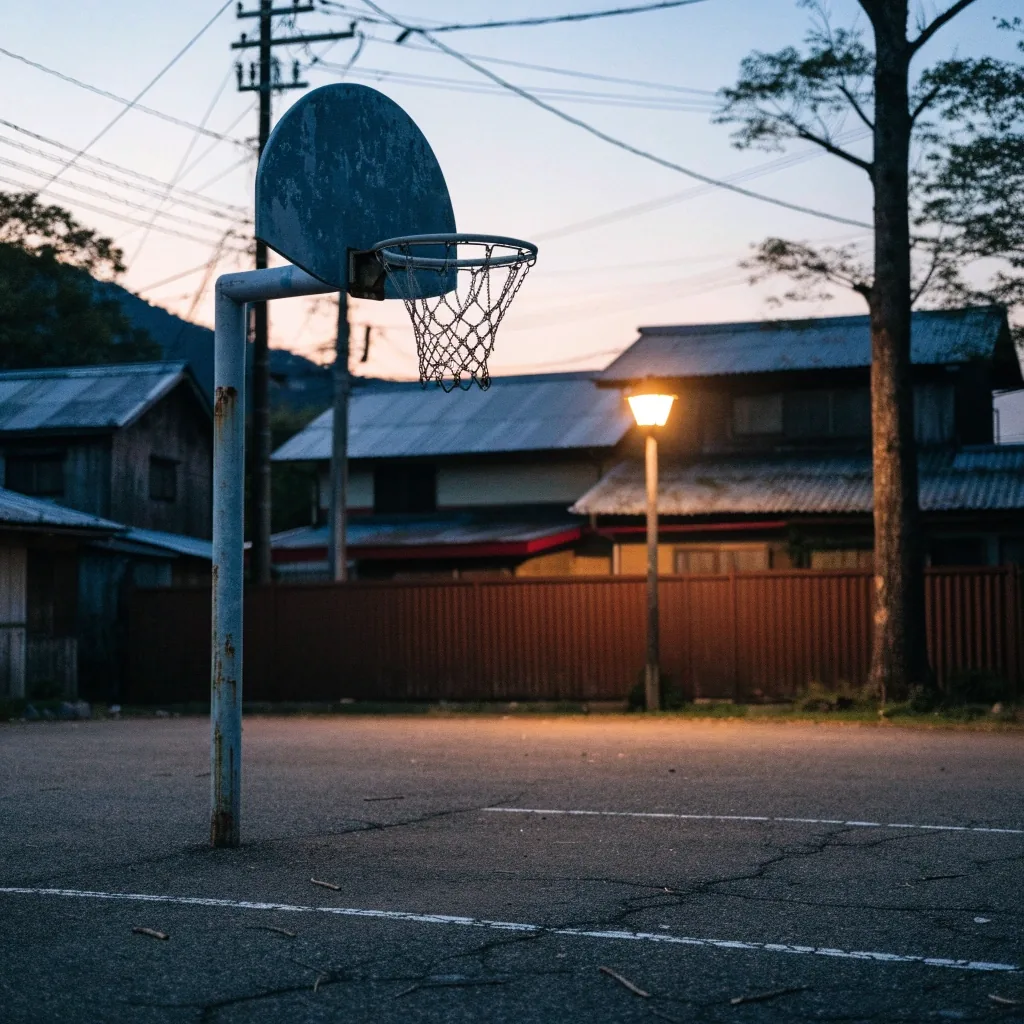
League structures and reviews live on one page; regional fixture calendars on another; school and street basketball on a third. If something here is wrong, the corrections route is open — it goes to the same desk.
Where to read next
The desk
3-18-1 Sakae, Naka-ku, Nagoya
460-0008, Japan
Monday to Friday, 9:00 AM – 6:00 PM JST